7 Things I Learned After Shooting 100+ Branding Sessions
7 Things I Learned After Shooting 100+ Branding Sessions
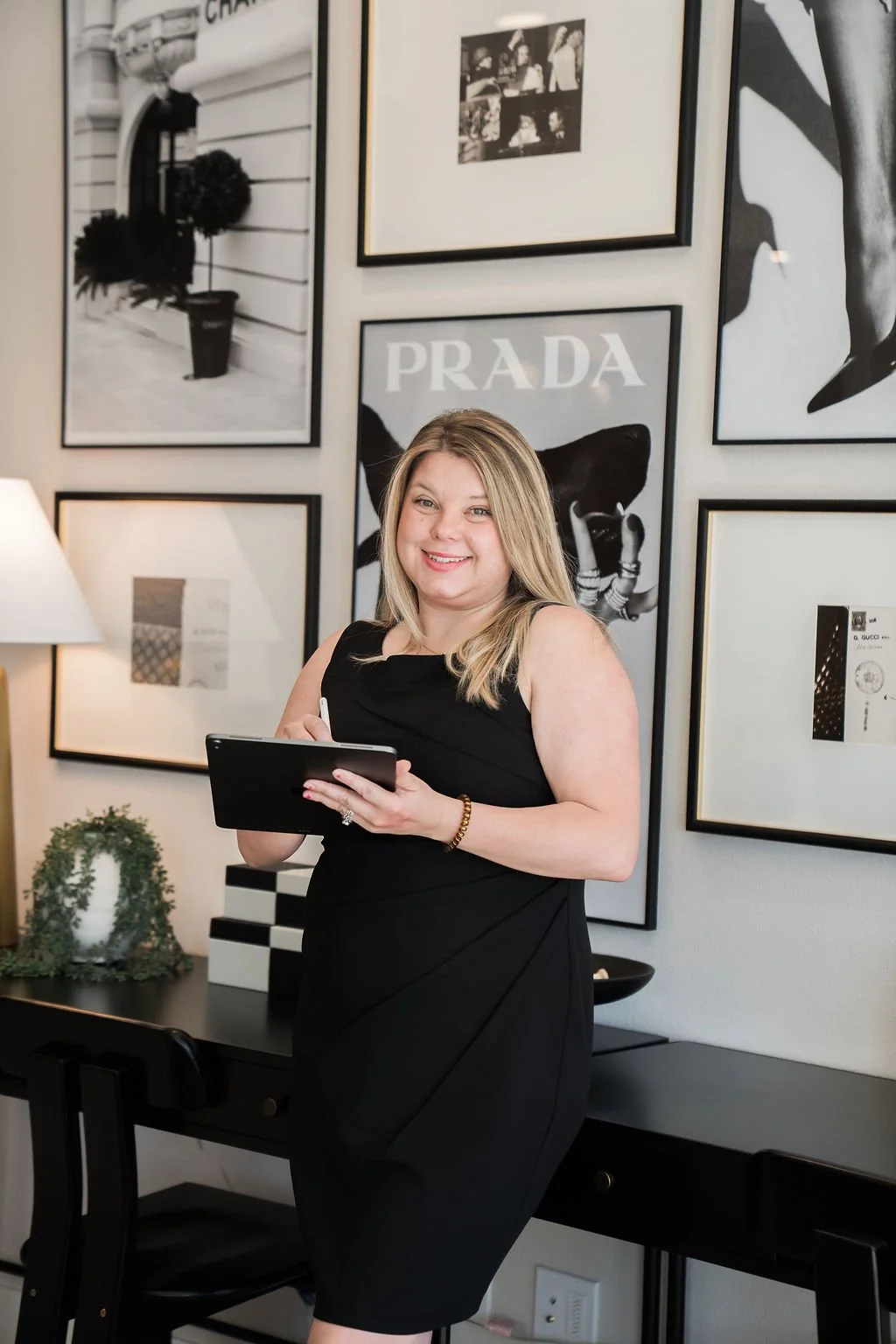
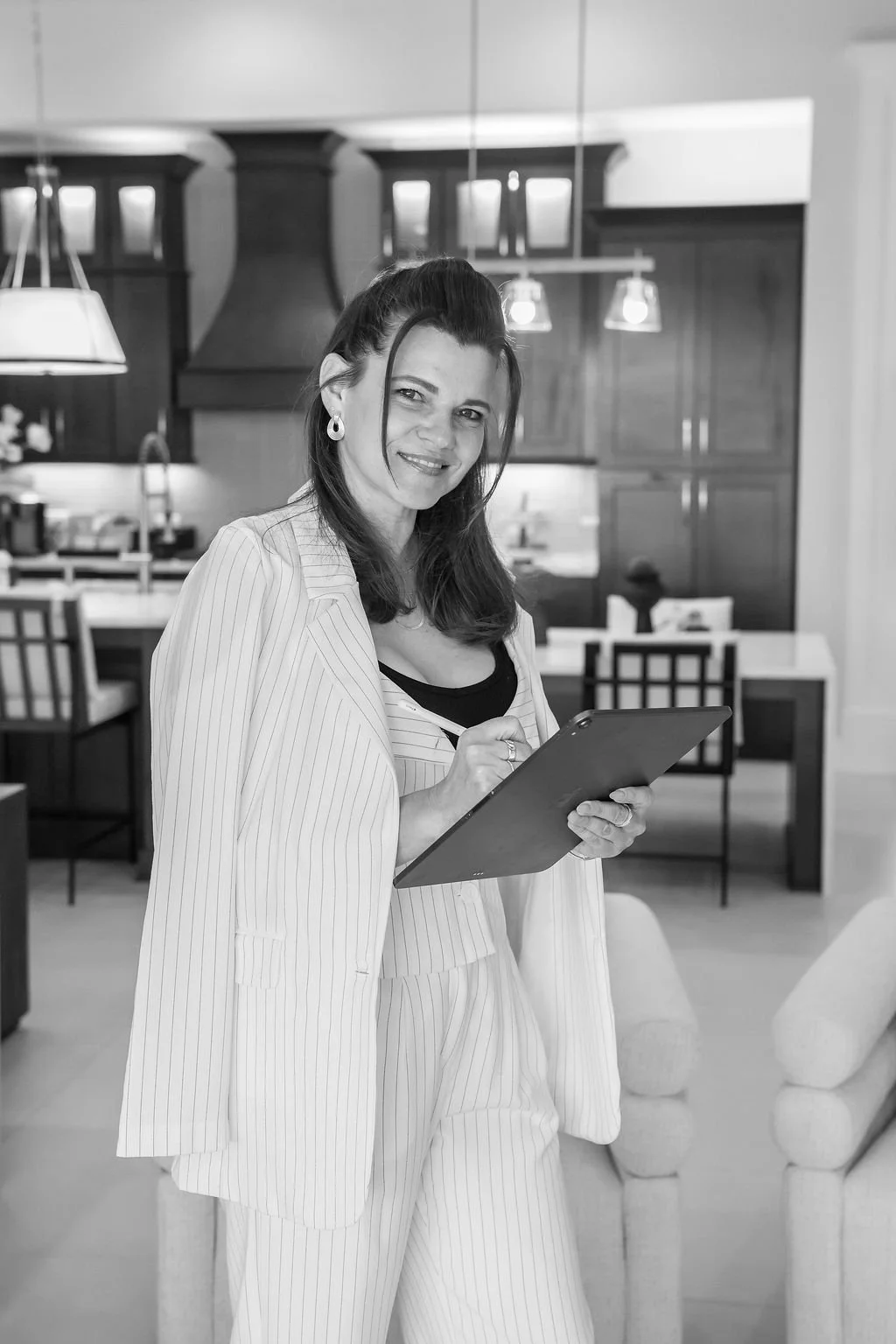
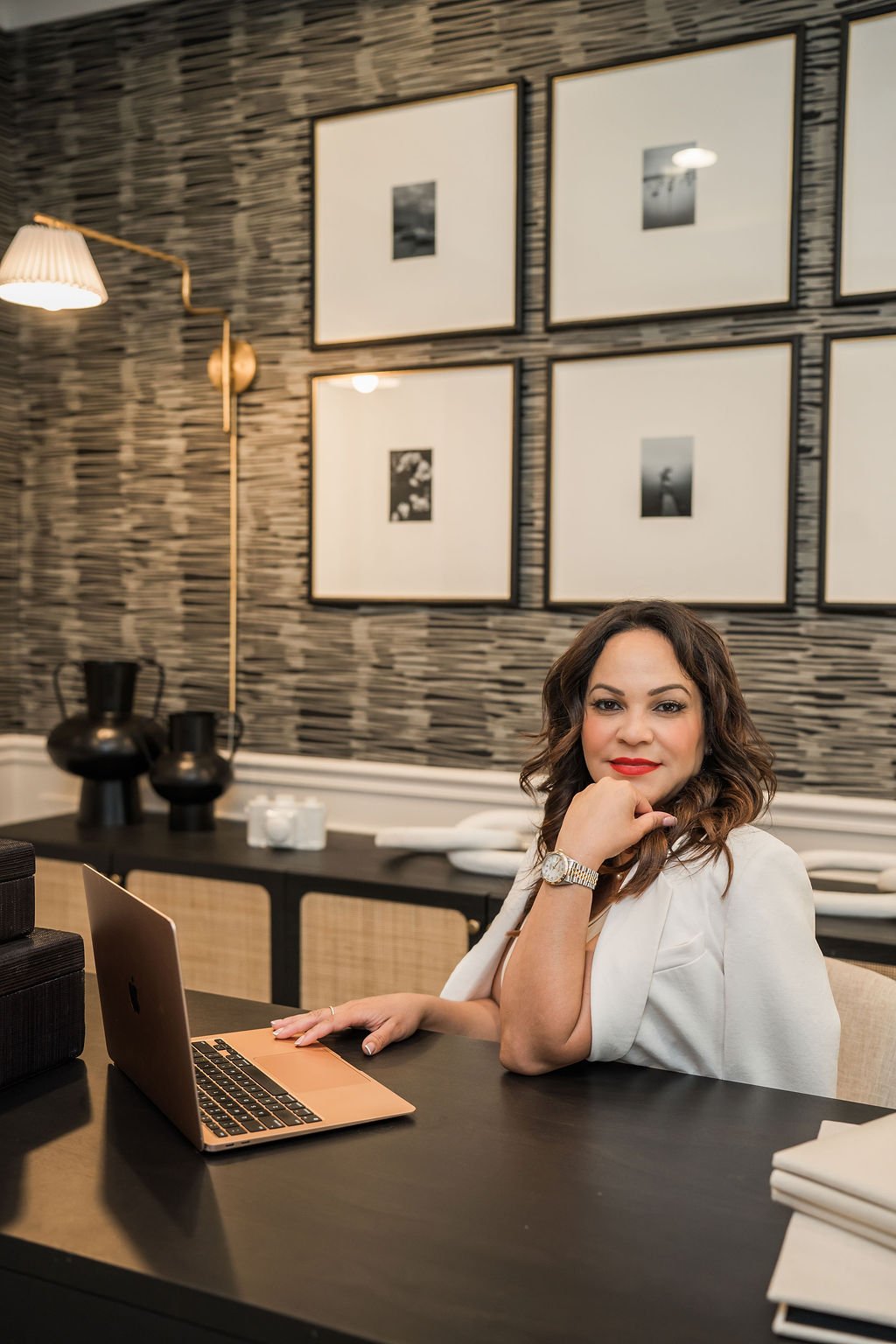
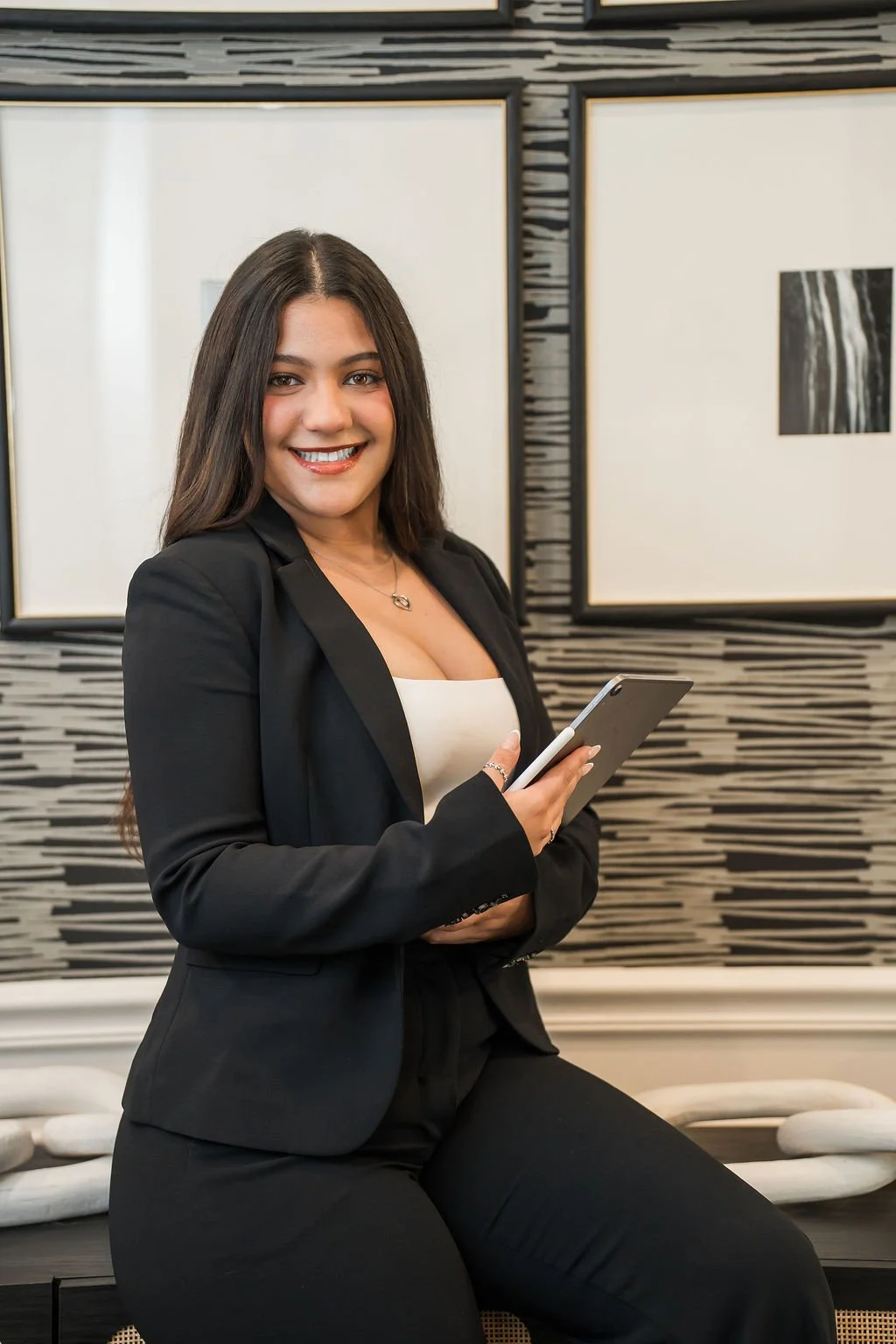
Branding sessions are different from weddings, portraits, and editorial shoots. They demand that you capture not just a person, but a persona — a business’ visual voice. After photographing more than 100 branding sessions, I’ve learned what works, what wastes time, and what makes images genuinely useful for clients. Below are seven lessons distilled from real shoots, client feedback, and trial-and-error. Whether you’re a photographer who wants to expand into branding work or a business owner preparing for a session, these insights will help you get better photos and a smoother, more strategic experience.
Pre-Shoot Planning Is Everything
The best photos don’t happen by accident. They are the outcome of intentional planning that starts well before the client walks in front of the camera.
Detailed client questionnaire: A thorough questionnaire is your foundation. Ask about brand values, target audience, colors, fonts, preferred imagery style (light and airy vs. moody), marketing channels (website, Instagram, Facebook, print), and examples of imagery they love and hate. Also ask for a list of must-have shots: product close-ups, staff portraits, behind-the-scenes, workspace details, lifestyle images, flat-lays, and headshots. The more specific, the better.
Moodboard and shot list: Create a collaborative moodboard or Pinterest board with the client. This aligns expectations and gives you a visual shorthand on direction, poses, and color palettes. Use that to build a prioritized shot list ordered by importance. On shoot day, if time runs out, you’ll still get the top-tier images the client needs.
Location scouting and logistics: Visit the location beforehand or request photos and a floorplan. Identify best light sources and challenging spots. Confirm parking, access to power, any permit requirements, and building rules. If shooting in public or in a café, check permission for photography and peak traffic times. For remote or on-location shoots, calculate travel time and factor in setup and breakdown.
Workflow expectations and turnaround: Communicate clearly about deliverables, turnaround time, how many edited images they’ll receive, and licensing terms. Clients appreciate transparency; it sets the shoot tone and reduces follow-up friction.
Backup plan for weather and interruptions: Have alternate shoot dates or indoor contingencies. On the day-of, anticipate interruptions: deliveries, noisy neighbors, or a sudden client emergency. Build buffer time into your schedule.
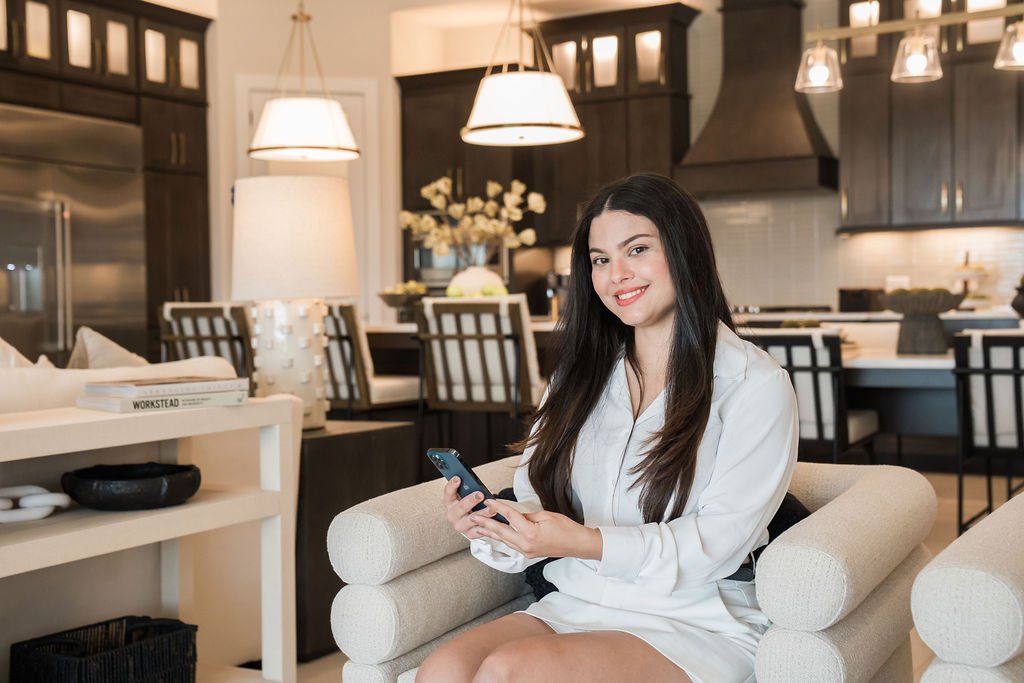
Why it matters: Good planning minimizes decision fatigue on shoot day and maximizes usable images. It also establishes your professionalism, which clients often value as much as the photographs.
Brand Photography Is Problem-Solving
Every branding session should solve specific marketing problems, not just produce pretty photos.

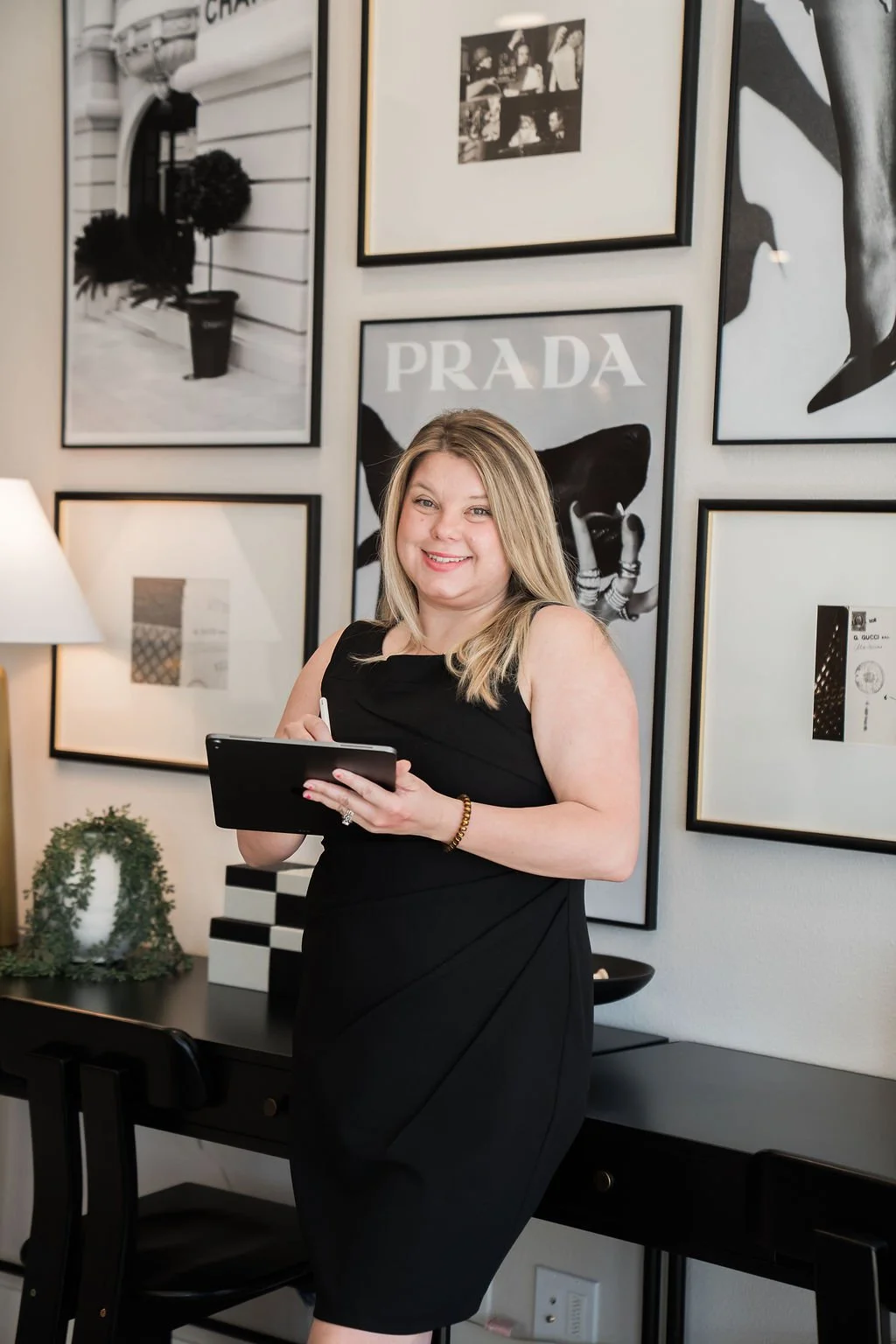
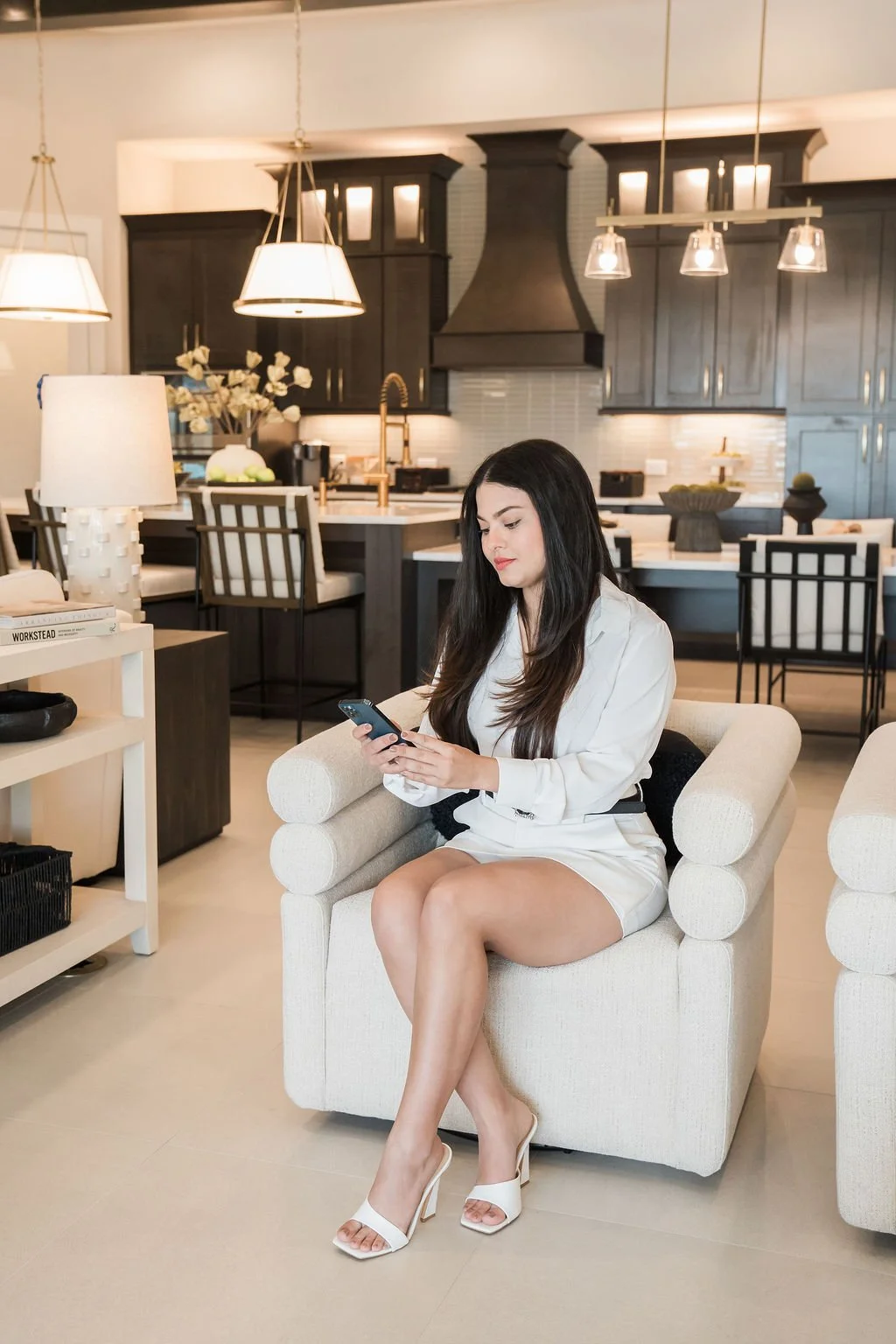
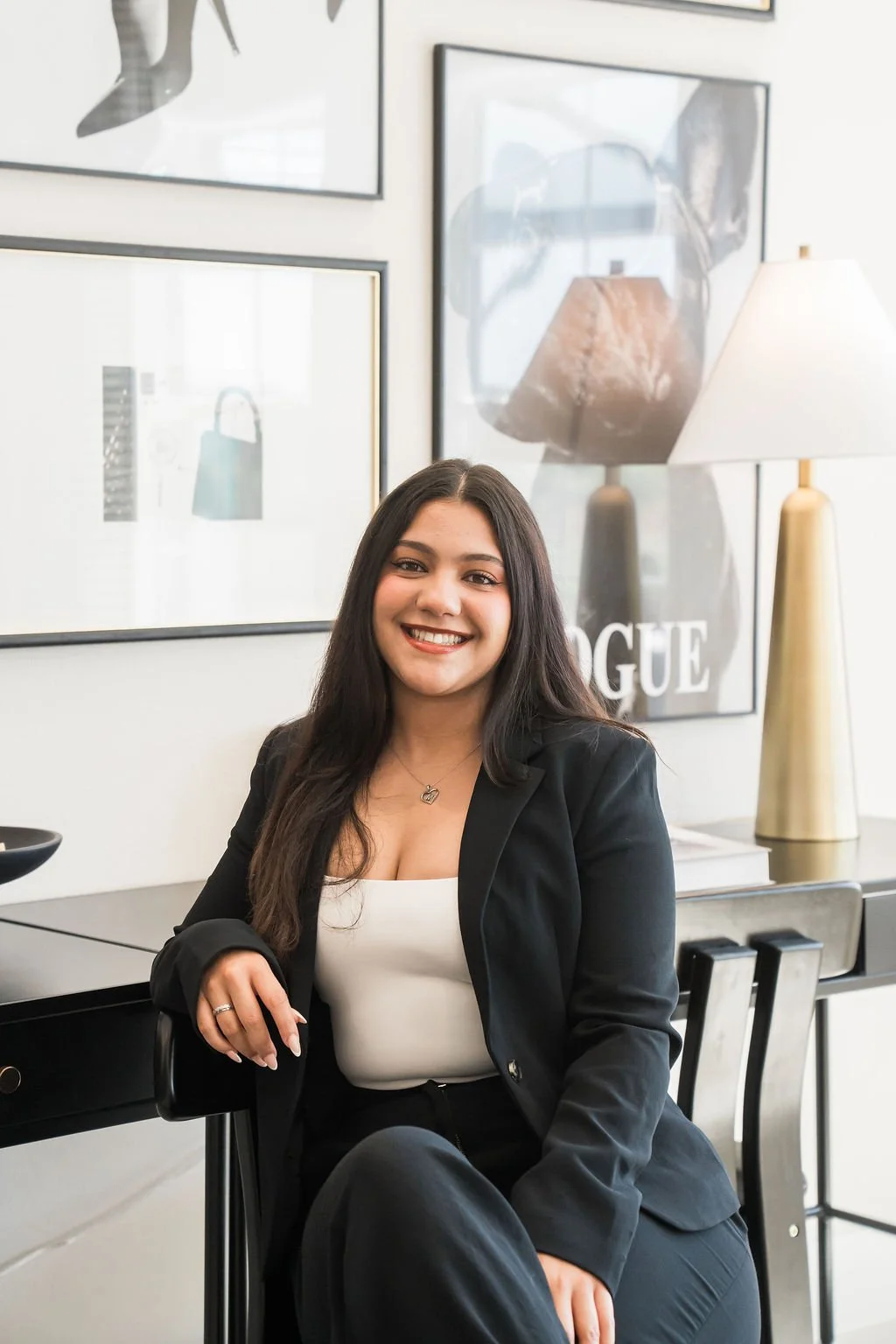
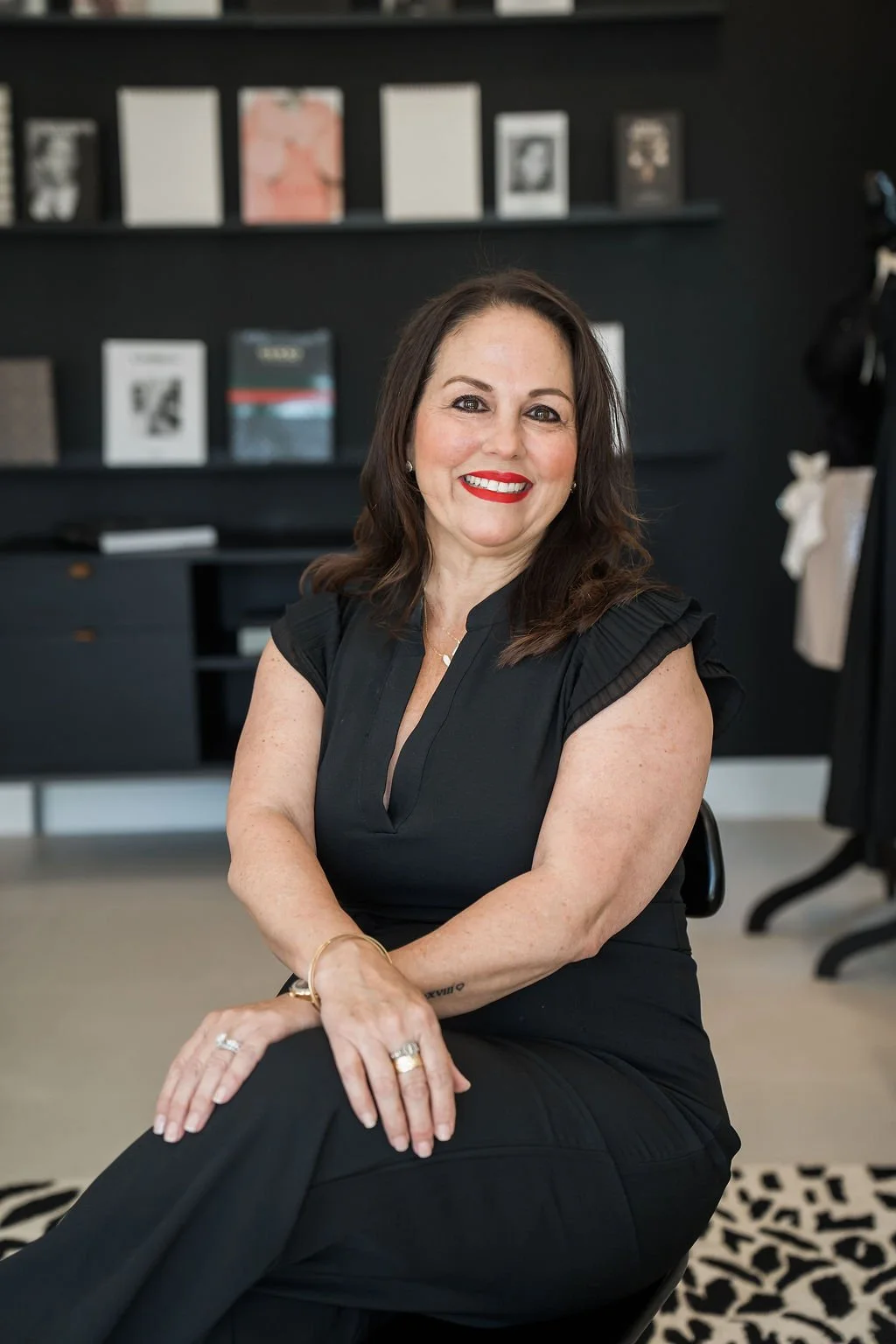
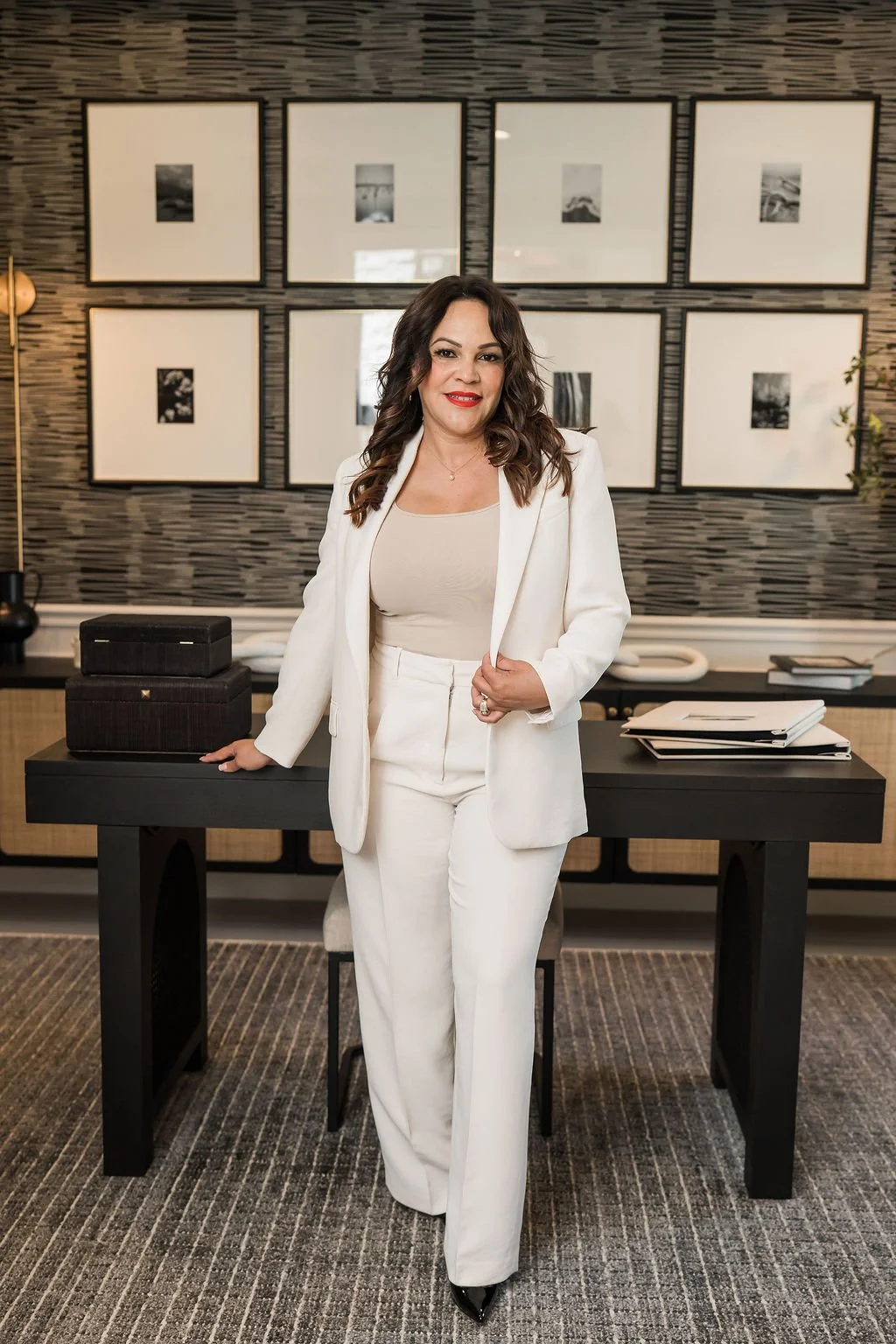
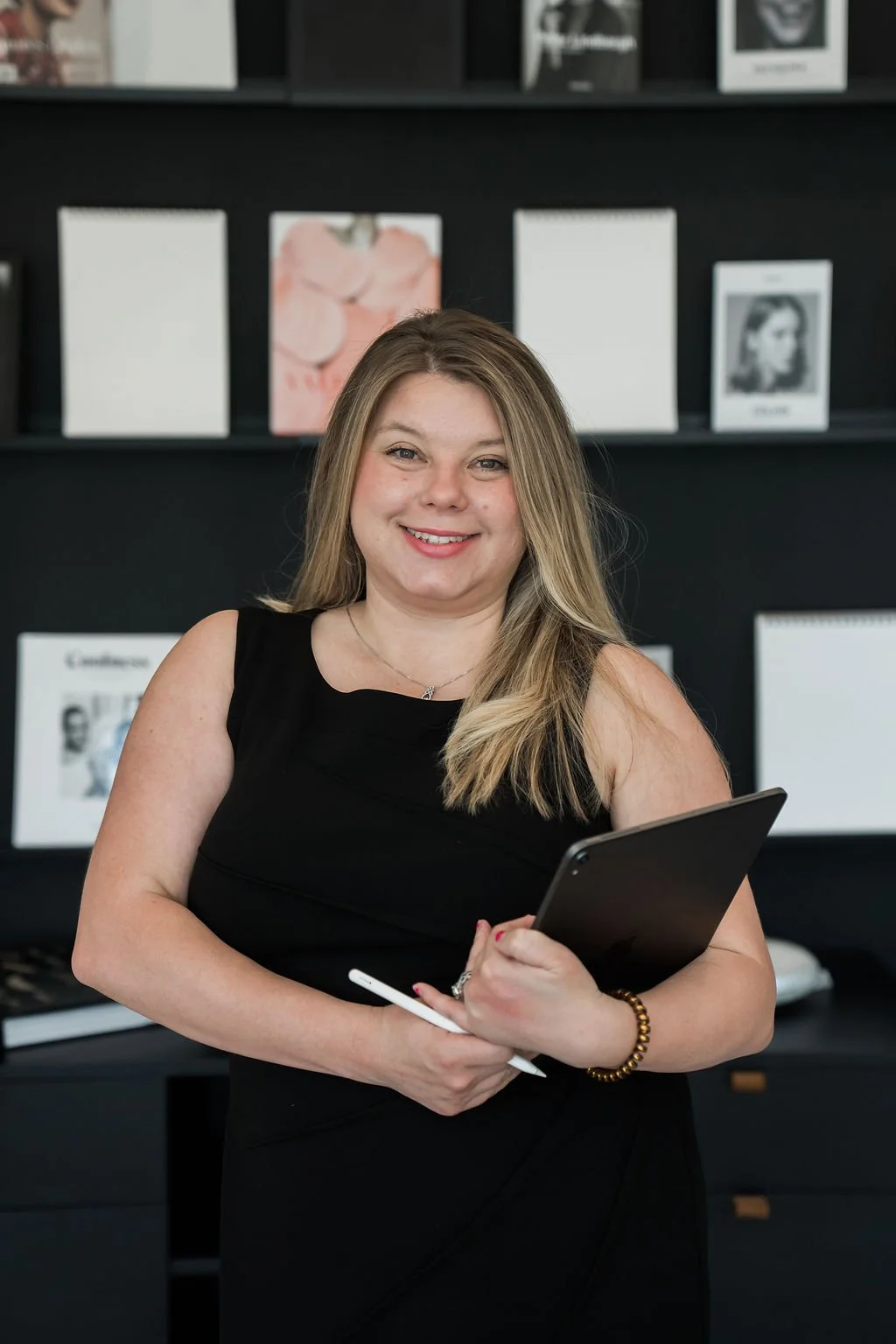

Understand the marketing funnel: Ask how images will be used at each funnel stage—awareness, consideration, conversion, and retention. Social media may need short-form imagery with strong personality; a website hero image demands more space and compositional clarity; email campaigns require images with room for text overlays. Tailor compositions to each use.
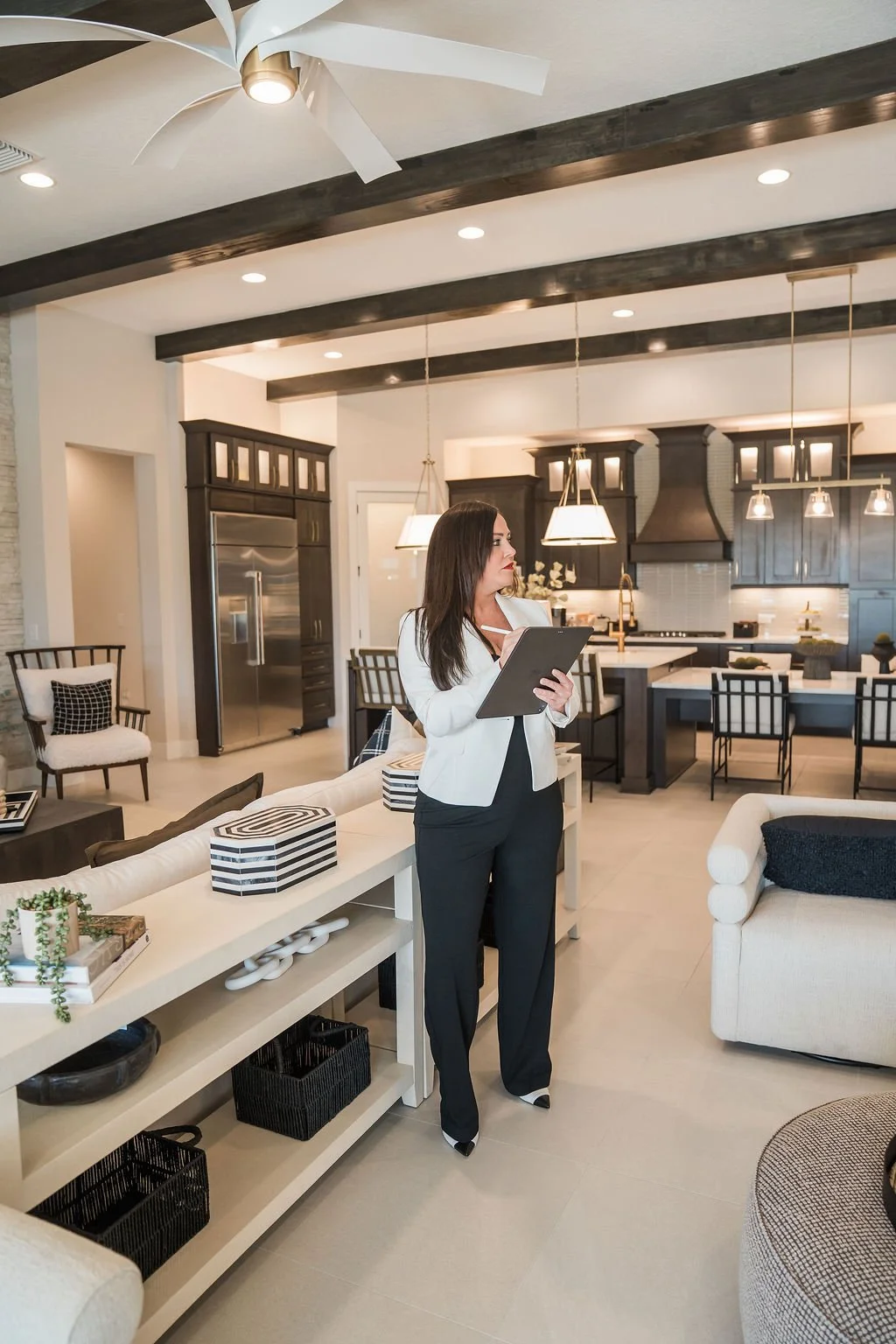
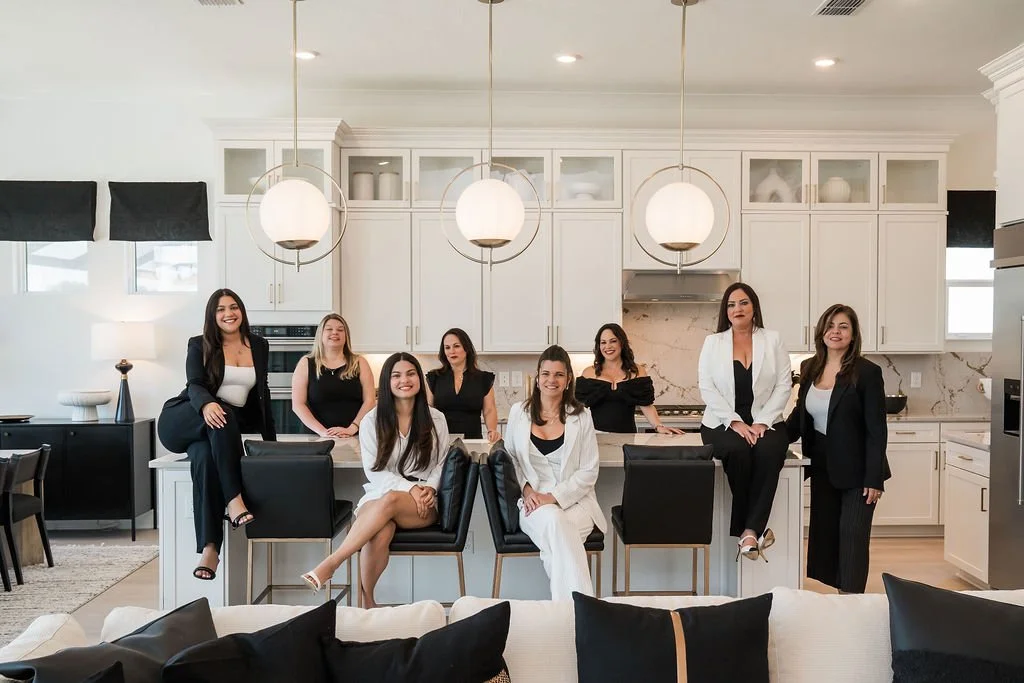
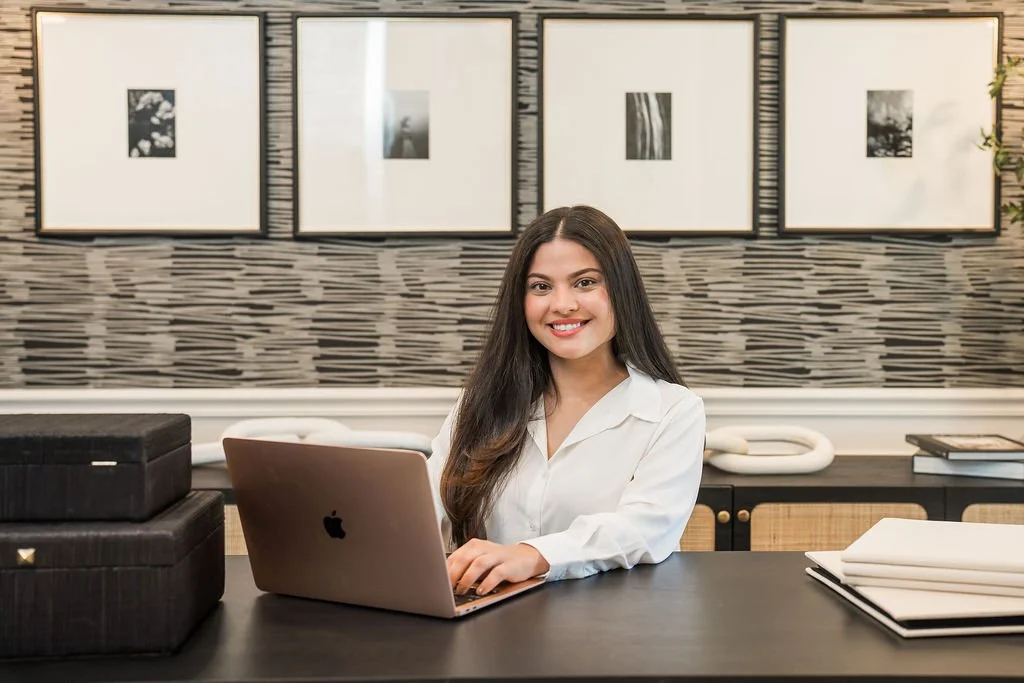
Create modular images: Photograph versions of a scene that can be adapted. For instance, for a shop owner, shoot a wide scene of them behind the counter, a medium with room above or to the side for text, and close-ups of hands handling products. These variations increase utility for different marketing needs.
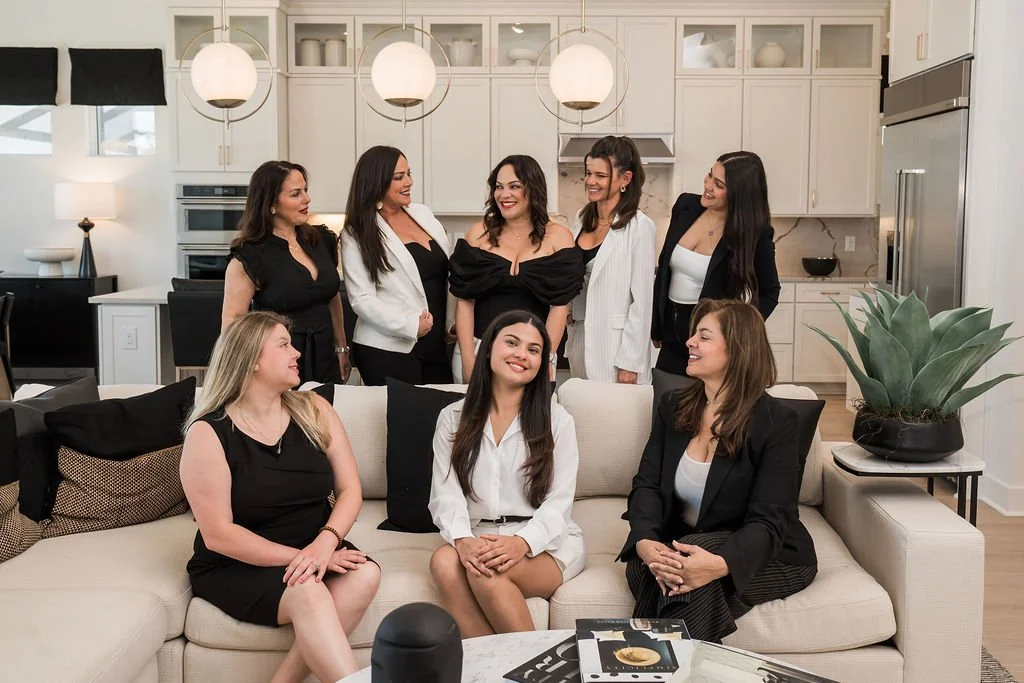
Include ‘action’ and ‘reaction’ shots: People trust people in context. Shots of a founder explaining a product, laughing with a teammate, or interacting with customers generate authenticity. Reaction shots — customers smiling, eyes lighting up — help convey emotional benefits rather than features.
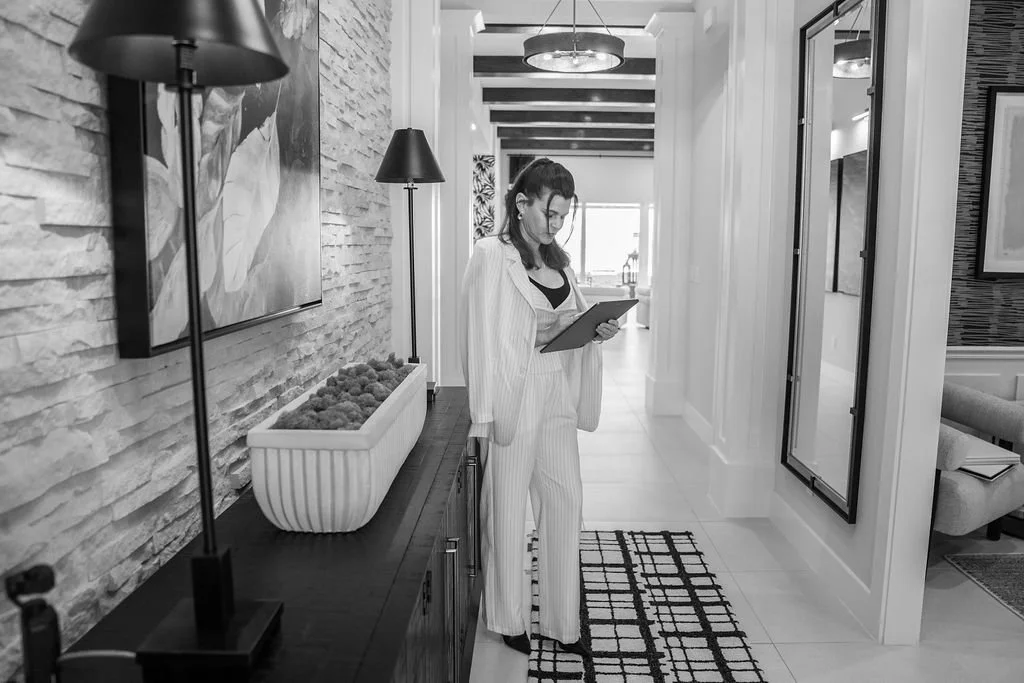
Document process and detail: Many businesses sell craftsmanship, trust, or reliability. Photos showing the step-by-step creation process, tools of the trade, or meticulous details help convey expertise. Think macro shots of stitches on a handmade bag, the sheen on a finished candle, or hands mixing ingredients.
Capture usage-ready images: Leave room for titles, buttons, or text overlays. Shoot both horizontal and vertical formats. Provide negative space in your compositions so clients can place headlines or social overlays without losing key subjects.
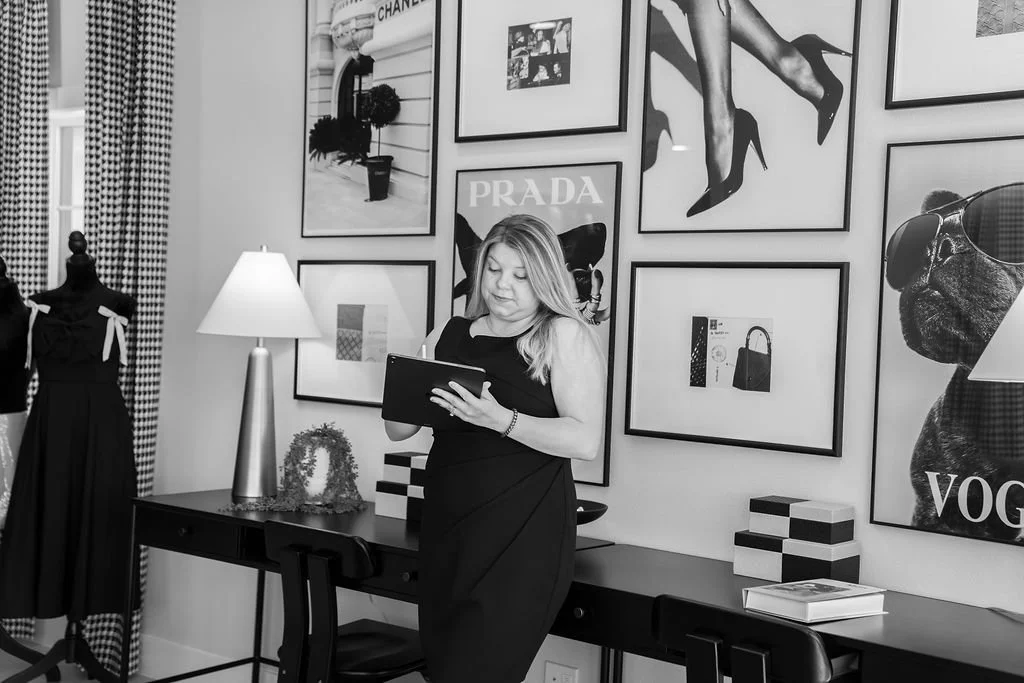
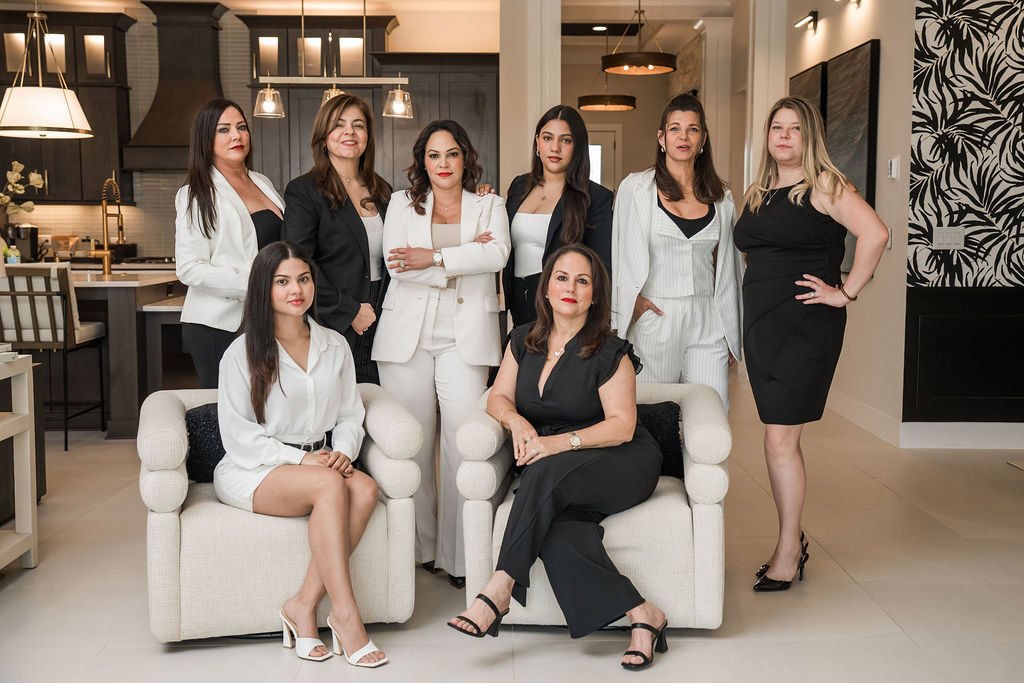
Why it matters: When your images solve marketing problems, clients see immediate ROI. They’ll reuse your photos across platforms and refer you to other business owners.
Communication and Confidence Create Authenticity
Clients often feel awkward or performative in front of the camera. The way you communicate turns discomfort into genuine expression.
Coaching vs. directing: Don’t just pose — coach. Give simple, actionable directions like “tilt your chin toward the window,” “take a deep breath and exhale slowly,” or “walk toward me and stop halfway.” These commands reduce overthinking and produce natural movement.
Use conversational prompts: Ask questions that prompt natural reactions: “What's the first thing you think about when you
One session can fuel months of content
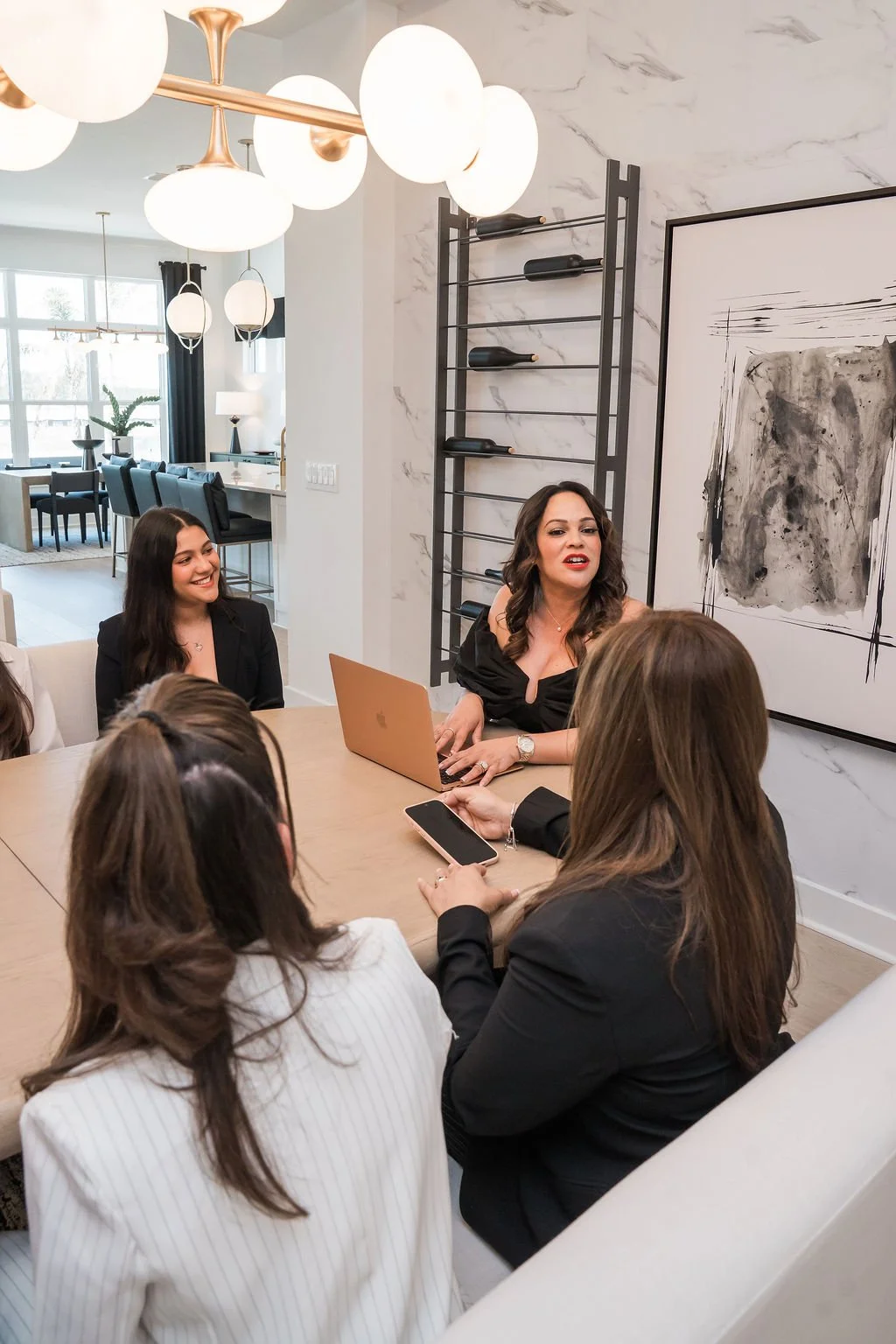
When you plan a single session with intention, it becomes a content engine — not just a set of photos. Here’s how to maximize one shoot so it supplies a steady stream of material across platforms and channels for weeks or months.
What to capture during the session
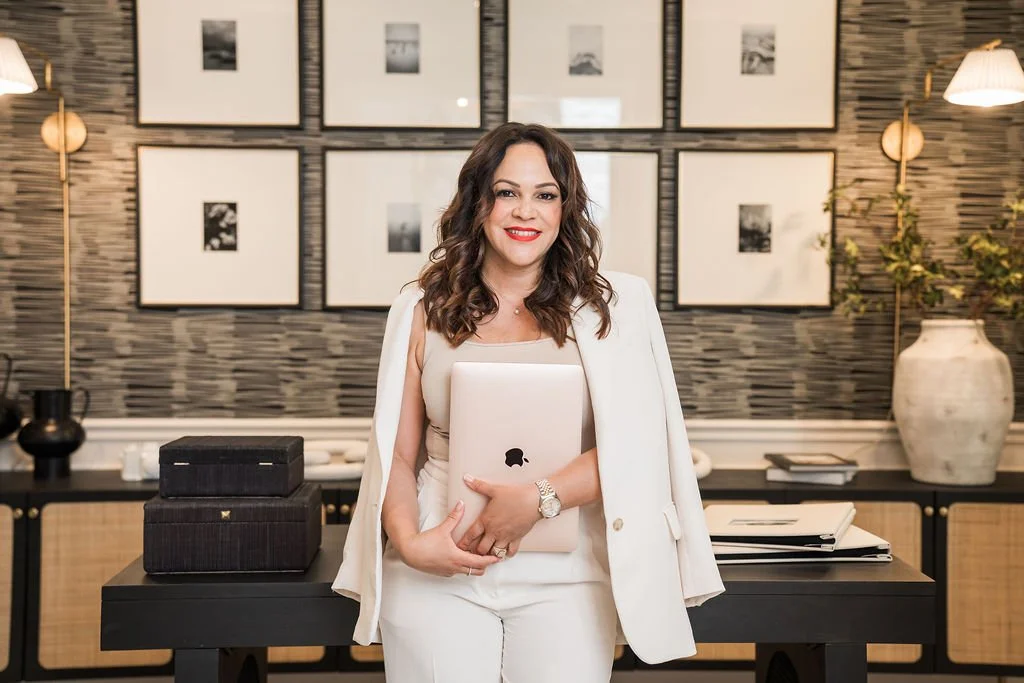
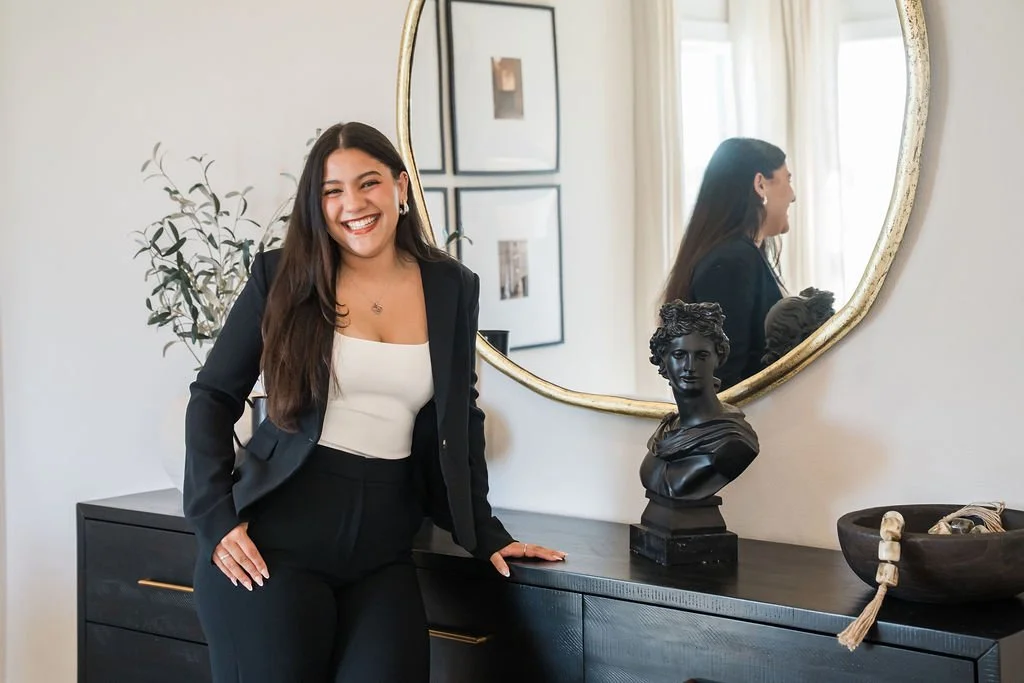
Hero images: a few standout, high-resolution images for your website and portfolio.
Sequence shots: multiple frames that tell a story (getting ready, candid moments, detail-to-wide progressions) for use in carousels and blog posts.
Vertical and horizontal crops: shoot both orientations so assets are ready for Instagram, Reels thumbnails, Pinterest pins, and website banners.
Short video clips: 10–60 second clips of movement — walking, laughing, dress detail, first look — to edit into Reels, Stories, or short ads.
Behind-the-scenes (BTS): setup, client interactions, gear shots, and environmental context for authenticity in emails and social posts.
Detail shots: rings, florals, invitations, textures — perfect for Pinterest and closeup social posts.
Quoteable moments: capture or note short client lines or vows you can overlay on images for social graphics or email headers.
How to plan the shoot for maximum reuse
Create a content shot list before the session: specify hero shots, verticals, BTS, and clips so you don’t miss any asset types.
Time-of-day and location variety: schedule golden-hour portraits plus daylight detail shots to diversify mood and color palettes.
Wardrobe and styling choices: suggest 2–3 outfits or layers for different looks in one session (casual, formal, detail-focused).
Prop and color coordination: bring a few props or coordinate florals and textiles to create on-brand pin-ready images.
Client interview or micro-interview: record short answers to 3–5 questions about their story to use as voiceover or caption material.
How to repurpose assets across channels
Website: use hero images for headers and galleries; write in-depth blog posts using the sequence shots and quotes to tell the session story and improve SEO.
Reels/TikTok: stitch short clips into 30–60 second reels with music or voiceover; layer on text for accessibility and engagement.
Instagram posts & carousels: lead with a hero image, follow with sequence shots and closeups; use captions that include storytelling, tips, or client quotes.
Instagram Stories & Highlights: share BTS clips, quick tips, polls, and client reactions to extend reach and community interaction.
Pinterest: crop vertical images with clear focal points (details or full-length portraits) and add keyword-rich descriptions to drive traffic back to your site or blog.
Email marketing: create a 2–3 part email sequence using hero images and one story-driven paragraph per email (e.g., session highlights, behind-the-scenes, booking CTA).
Ads and promos: repurpose hero images and short clips into social ads that point to portfolio pages or booking forms.
Content calendar example (one session → 8 weeks)
Week 1: Website gallery update + 1 Instagram carousel (hero + sequence) + announcement email
Week 2: Reel (30s story edit) + 3 Stories (BTS, poll, CTA)
Week 3: Pinterest pins (3 verticals) + Instagram single post (detail shot + quote)
Week 4: Blog post (session story + SEO) + Newsletter highlight
Week 5: Reel (styled edit focusing on details) + Instagram carousel (before/after or outfit changes)
Week 6: BTS photo grid + Stories Q&A about the session
Week 7: Pinterest batch (alternate crops) + Instagram post (vendor shoutout)
Week 8: Promo ad/image for bookings + Round-up email linking to blog and gallery
Efficiency tips
Batch-edit images in consistent presets so you can export platform-specific crops quickly.
Save template captions and CTAs for reuse and slight customization per post.
Store footage and stills in labeled folders (hero, vertical, BTS, clips) for easy retrieval.
Repurpose one strong caption across platforms with minor edits to match tone and length requirements.
Bottom line One well-planned session can be a months-long content roadmap: diversify shot types, capture both stills and clips, plan repurposing ahead of time, and sequence posts to tell a cohesive story. This approach saves time, keeps your channels active, and amplifies the value of every shoot.