Best tips for a studio maternity session , Tampa Maternity photos
Preparing for a studio maternity session can make a significant difference in capturing the beauty of this transformative time. Consider wearing outfits that complement your figure while still allowing for comfort; flowing fabrics or form-fitting dresses work well. Utilize natural light to enhance the glow of your skin, and don't hesitate to bring personal items, such as sonogram photos or baby shoes, to add a meaningful touch to your images. Lastly, communicate openly with your photographer to ensure your vision is realized, fostering a relaxed atmosphere that allows your personality to shine through.

Five Tips for a Successful Maternity Session in a Studio
Capturing the beauty of pregnancy through a maternity session is a cherished experience for many expectant mothers. A studio setting can provide a controlled environment that allows for creativity and comfort, making it an ideal choice for such significant portraits. Here are five essential tips to ensure your studio maternity session is seamless and rewarding.
1. Choose the Right Studio and Photographer
Selecting the appropriate studio and photographer is the cornerstone of a successful maternity session. Consider the following:
Research and Recommendations
Start by researching photographers who specialize in maternity photography. Look for portfolios that resonate with your style. You may also seek recommendations from friends or family members who have had similar sessions.



Visit the Studio
Before booking, consider visiting the studio to assess its environment. Check the lighting, background options, and overall space. A well-lit, spacious studio can significantly enhance your experience and photos.
Discuss Your Vision
Once you’ve chosen your photographer, communicate openly about your vision for the session. Discuss themes, outfits, and props that may represent your personality and story. A photographer who understands your preferences will tailor the shoot to fit your style and ensure you feel comfortable while capturing beautiful images.
2. Plan Your Outfits Thoughtfully
Your outfits can play a pivotal role in the success of your studio maternity session. Here are some tips for choosing the right clothing:
Embrace Your Shape
Opt for outfits that accentuate your growing belly. Form-fitting dresses, flowy tops, and high-waisted skirts are popular choices that celebrate your silhouette. Additionally, consider options that offer versatility in styling, such as wraps or layering pieces you can remove to create different looks.
Consider Colors and Textures
Choose colors and textures that complement your skin tone and create visual interest. Solid colors often work well in photos, but don’t shy away from soft patterns or textures like lace, silk, or cotton. Neutral tones, pastels, and earthy shades often photograph beautifully and keep the focus on you.




Accessorize Wisely
Accessories can add a unique flair to your photos but should be chosen thoughtfully. Consider adding a statement necklace, a hat, or a shawl for visual depth without overwhelming the image. Think about the overall style you want to achieve when selecting accessories.
Comfort is Key
Make sure you feel comfortable in your outfits. You may be posing in various positions, so it’s essential to choose clothing that allows for movement. If you're uncomfortable, it will show in the photos, so prioritize comfort alongside style.
3. Timing is Everything
The timing of your maternity session can greatly affect the outcome of your photos. Here are a few important considerations:
Choose the Right Stage of Pregnancy
Most photographers recommend scheduling your maternity session between 28-34 weeks. At this stage, your belly is beautifully rounded, and you’re likely still comfortable enough to pose without difficulty. However, every pregnancy is unique, so listen to your body and choose what feels right for you.
Plan Around Natural Lighting
While studio lighting can be controlled, natural light can add warmth and depth to your images. Discuss the best times for lighting with your photographer. Early morning or late afternoon typically offers the softest light, which can enhance the quality of your portraits.
Time for Hair and Makeup
If you plan to have professional hair and makeup, factor that into your schedule. Arriving at the studio prepared will help you feel confident and relaxed. Coordinate your beauty schedule with the session timing to avoid feeling rushed.


4. Incorporate Personal Elements
Adding personal touches to your maternity session can create meaningful images that tell your story.
Props and Backdrops
Consider incorporating props that are significant to your family, such as ultrasound images, baby shoes, or a special blanket. Thoughtfully chosen props can evoke emotion and signify the anticipation of welcoming a new family member.
Family Involvement
If comfortable, involve your partner or other children in some of the photos. This not only creates a more dynamic session but also emphasizes the family aspect of your impending arrival. Discuss how you want to weave your family into the shoot with your photographer in advance.
Personal Interests and Themes
Reflect on your interests and experiences during pregnancy. If you have a particular hobby or theme in mind, discuss innovative ways to incorporate it. Whether it’s favorite colors, styles, or even an event, personal elements will enhance your portraits.
5. Relax and Enjoy the Experience
The final tip for a successful maternity session is to relax and enjoy the moment. This experience should be a celebration of your journey into motherhood.
Take Breaks
During the session, don’t hesitate to take short breaks if needed. Pregnancy can be tiring, and it’s essential to listen to your body. Use those moments to chat with your photographer, hydrate, and




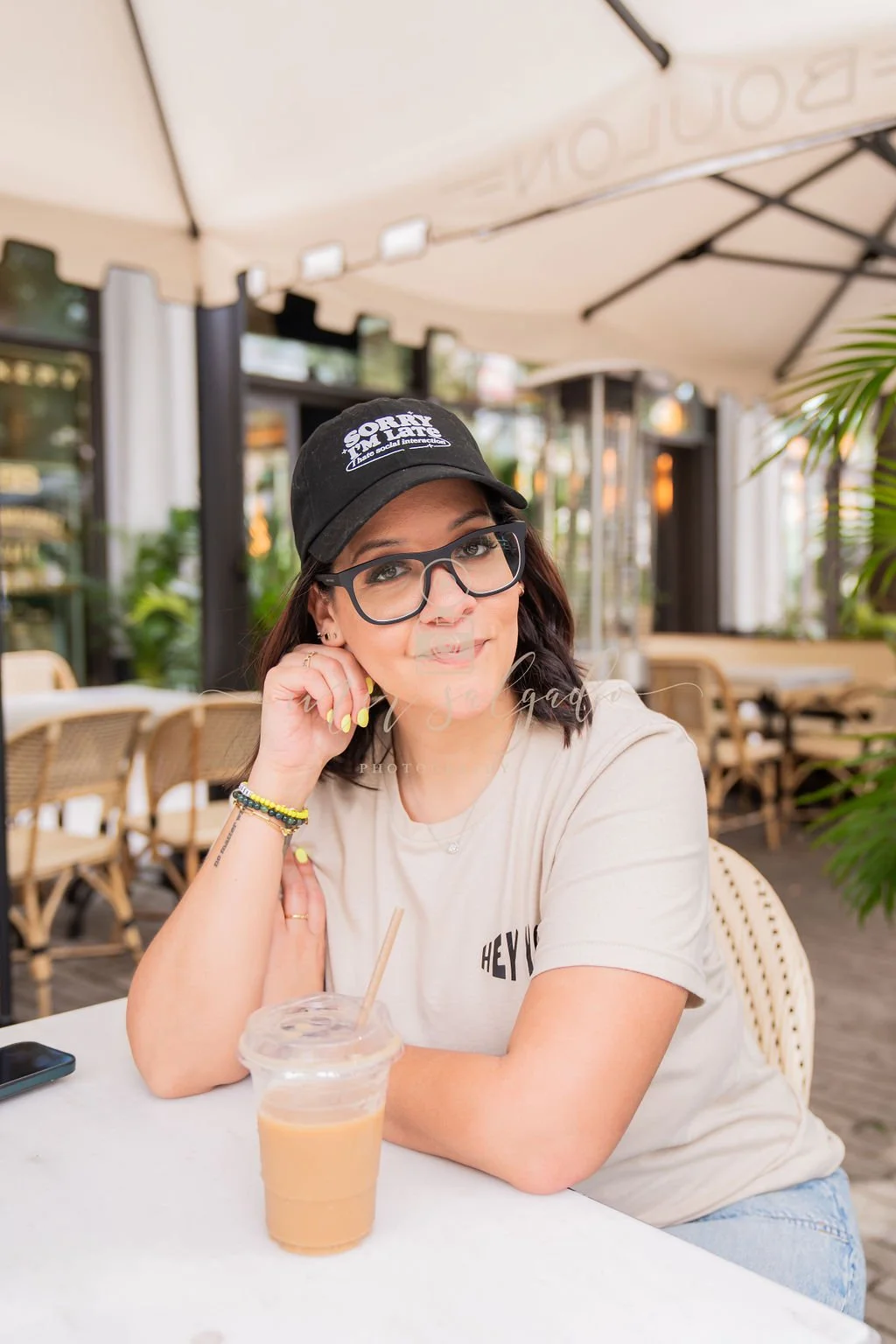
Water Street Tampa branding session | Top five tips for a branding session
Define Your Brand: Start by clearly outlining your brand’s mission, values, and target audience. This foundation will guide the overall direction of your session.
Choose the Right Location: Select a backdrop that reflects your brand identity. Whether it’s a beach, urban setting, or home office, the environment should align with your brand message.
Plan Your Outfits: Coordinate colors and styles that resonate with your brand. Choose clothing that represents your personal or business aesthetic while ensuring comfort.
Incorporate Props: Use props that highlight your products or services. This could include tools of your trade, product samples, or items that reflect your brand personality.
Communicate Your Vision: Share your ideas and expectations with the photographer. This collaboration will help to capture your authentic self in the images.
Be Yourself: Authenticity resonates. Relax and let your personality shine through during the shoot for genuine, relatable images.
Include Team Members: If applicable, feature key team members to showcase the human element of your brand. This helps to create a connection with your audience.
Plan for Variety: Incorporate different poses, angles, and expressions. This variety will provide a richer selection of images that can be used across various platforms.
Capture Candid Moments: Some of the best shots come from unscripted moments. Be open to spontaneity during the session for more organic photographs.
Have Fun: Enjoy the process! A positive attitude will reflect in the photos, creating an inviting and approachable brand image.

Top five tips for a Brading session
Water Street Tampa Bay branding session.
Top Five Tips for a Successful Branding Session
In today's competitive market, personal branding is an essential part of any professional's toolkit. A branding session, whether for an individual or a business, can have a significant impact on how you are perceived. It’s an opportunity to showcase your unique identity, values, and vision. This article will delve into the top five tips for conducting a successful branding session, ensuring you create an authentic representation of yourself or your brand.


1. Define Your Brand Identity
Before you dive into a branding session, it’s crucial to define your brand identity. This includes understanding your mission, vision, values, and what differentiates you from the competition.
Mission Statement: What is the purpose of your brand? Your mission should clearly communicate what you aim to achieve and what you stand for.
Vision Statement: Where do you see your brand in the future? A strong vision statement helps articulate long-term goals and aspirations.
Core Values: Identify the principles that guide your brand's actions and decisions. Your core values should resonate with your target audience and help build trust.
Unique Selling Proposition (USP): What makes you unique? Your USP should highlight the attributes that set you apart in your industry.
By having a clear understanding of these components, you can successfully guide the entire branding session and ensure it reflects your desired identity. Consider creating a mood board that encapsulates your brand’s essence through colors, images, and words. This visual representation can serve as a reference during the session.


2. Plan Your Visuals
Visuals play a critical role in branding. They create an immediate impression and communicate your brand message without words. Begin by planning your visual elements:
Photography Style: Determine the style of photography that aligns with your brand identity. Whether you prefer a contemporary, classic, or candid approach, select a photographer who can deliver the desired aesthetic.
Setting: Choose a location that echoes your brand narrative. Whether it’s in a studio, at your office, or outdoors, ensure the backdrop speaks to who you are. If you’re a beach wedding photographer, a beach setting makes perfect sense.
Wardrobe: Your choice of clothing should be consistent with your brand’s image. Select outfits that not only make you feel confident but also resonate with your audience. Bold colors may convey excitement, while neutral tones might project sophistication.
Props: Consider incorporating props that reflect your personality or services. For instance, if you’re a graphic designer, showcasing some of your work or tools can add depth to the session.
All of these visual aspects should harmonize to tell your brand’s story effectively. Collaborate with professionals who understand your vision and can help bring it to life.

3. Prepare Your Messaging
Clear and consistent messaging is key in any branding session. The words you choose to describe yourself or your brand should align with your overall tone and purpose. Here’s how to prepare:
Tagline: Develop a catchy tagline that encapsulates your brand essence. This phrase should be memorable and convey your brand message succinctly.
Key Messages: Outline the main points you want to communicate during your session. What do you want viewers to take away? This could include your services, offerings, or ethos.
Storytelling: Prepare to share your brand story. Personal anecdotes can create a genuine connection with your audience. Be authentic and passionate; your enthusiasm will be contagious.
Call to Action: Decide how you want your audience to engage with you after the session. Whether it’s visiting your website or following you on social media, ensure you provide clear directions.
Script your main talking points and practice them ahead of time. This preparation will help you convey your messages confidently on the day of the session.


4. Engage Your Audience
A successful branding session isn’t only about creating visuals; it’s also about engaging your audience. Foster a genuine connection that resonates through your imagery and messaging:
Be Authentic: Your audience can sense insincerity. Be yourself, and don’t be afraid to show your personality. Authenticity breeds trust and loyalty.
Show Emotion: Capture genuine moments that convey your passion and commitment. Whether it’s a smile or a candid laugh, authentic emotions create relatable and memorable images.
Interact: If the branding session involves others, such as team members or clients, ensure you interact with them during the shoot. Their presence can provide additional layers to your brand story, showcasing collaboration and human connection.
Use Social Media: Incorporate social media into your branding session. Consider doing live updates or engaging with your audience before, during, and after the session. This can create a buzz and anticipation for the final results.
By engaging your audience, you cultivate a deeper relationship that can translate into ongoing brand loyalty and interest.




5. Evaluate and Adapt
After your branding session, it's crucial to take the time to evaluate the results. Look closely at the photos and the message they convey about your brand. Are they aligned with your vision and values? Assess the response from your audience—did the imagery resonate with them? Use analytics from your social media platforms and website to see how the images performed.
Once you've gathered insights, take a moment to adapt your strategy. If certain elements worked well, consider emphasizing them in future sessions. Conversely, if some aspects fell short of expectations, think about what changes can be made moving forward. This ongoing process of evaluation and adaptation ensures that your branding remains fresh, relevant, and effective in conveying your message and connecting with your audience. Embracing this iterative approach will help you refine your visual identity over time, ultimately leading to stronger engagement and brand loyalty.



Anna Maria Island beach family session | Tampa family photographer
Family beach sessions.
Review Portfolios: Ensure their style matches your vision.
Schedule a Consultation: Discuss ideas, locations, and specific requests. Inquire about their beach photography experience.
Confirm Details: Set date, time, pricing, and deliverables (images or prints).
Prepare for the Unexpected:
Check the Forecast: Monitor weather and have a backup plan.
Be Flexible: Encourage a positive attitude; great moments may be unplanned.
Enjoy the Experience:
Relax and Have Fun: Encourage authenticity for candid moments.
Stay Engaged: Participate in activities for genuine interactions.
By following these steps, you’ll ensure a successful beach session with beautiful photos showcasing your family’s bond.

Family gatherings play a vital role in maintaining strong connections among loved ones. Setting aside time each year to come together allows families to create cherished memories, celebrate milestones, and reinforce bonds. These moments, whether they involve reunions, holidays, or family vacations, become treasures that can be revisited and remembered for years to come.
Hiring a photographer to document these special occasions ensures that these memories are preserved in a tangible way. Professional photographs capture the emotions and interactions that families share, allowing future generations to relive those experiences. A well-timed snapshot can convey the joy of laughter, the warmth of hugs, and the unity of family.
Investing in photography during family gatherings not only captures the essence of the moment but also provides an opportunity to create a family legacy. Over time, these photographs tell the story of growth, love, and togetherness. They serve as a reminder of the importance of family and the value of coming together, year after year. In a fast-paced world, taking the time to celebrate and document family moments is an invaluable gift that lasts a lifetime.


How to Plan a Beach Getaway with Family Living in Different States
1. Determine the Location
Choose a central beach location that is convenient for most family members. Consider factors such as travel distance, accessibility, and available accommodations. Popular coastal destinations like Florida, California, or the Carolinas may offer a variety of options depending on your family's preferences.
2. Set the Dates
Coordinate schedules to find a suitable time when everyone can participate. Use a shared calendar or group chat to propose dates, and consider school vacations, holidays, or long weekends to maximize attendance.
3. Create a Budget
Discuss the budget with all family members. Factor in travel expenses, lodging, food, and activities. Agree on how costs will be shared, whether through a group fund or direct payments. Setting a clear budget will help manage expectations and prevent misunderstandings.
4. Book Accommodations
Decide on the type of lodging that suits your family—options include vacation rentals, hotels, or family-friendly resorts. Websites that allow you to filter accommodations by size, amenities, and price can help ensure everyone finds something suitable.
5. Plan Activities
Make a list of activities that cater to different interests and age groups. Consider beach days, water sports, sightseeing, and family games. It may also be helpful to leave room for spontaneous exploration and relaxation.
6. Coordinate Transportation
Discuss how each family member will travel to the destination. For those flying, coordinate airport arrivals to simplify transportation. Whether renting a car or using rideshare services, ensure everyone has a plan for getting to the accommodation.
7. Prepare Meals
Decide if you'll dine out or cook meals together. If cooking, assign meal prep duties to different family members or plan meals that everyone can easily contribute to. This both saves money and fosters family bonding.
8. Stay Connected
Use group messaging apps or social media to maintain communication leading up to the getaway. Share ideas, finalize plans, and keep everyone updated on arrangements. This will help everyone feel included and engaged in the planning process.
9. Pack Smart
Create a packing list that includes essentials for the beach as well as any specific items unique to your family's needs, such as beach games, snorkeling gear, or dietary necessities. Share the list with family members to ensure nothing is forgotten.
10. Enjoy Flexibility
While planning is crucial, flexibility can make the trip more enjoyable. Be open to adjusting plans based on the weather, interests, or individual needs that arise during the trip.
By following these steps, you can create a memorable beach getaway that strengthens family ties and creates cherished memories despite the distance between you.