Tampa unicorn session, Preparing for a Session with Real Animals
Capturing the essence of animals in photography is both a rewarding and challenging endeavor. Whether you are shooting wildlife, pets, or farm animals, preparing for your photography session is essential for achieving the best results. This guide will provide you with insights, tips, and practical steps to ensure your session with real animals is a success.

Preparing for a Session with Real Animals: A Comprehensive Guide
Capturing the essence of animals in photography is both a rewarding and challenging endeavor. Whether you are shooting wildlife, pets, or farm animals, preparing for your photography session is essential for achieving the best results. This guide will provide you with insights, tips, and practical steps to ensure your session with real animals is a success.


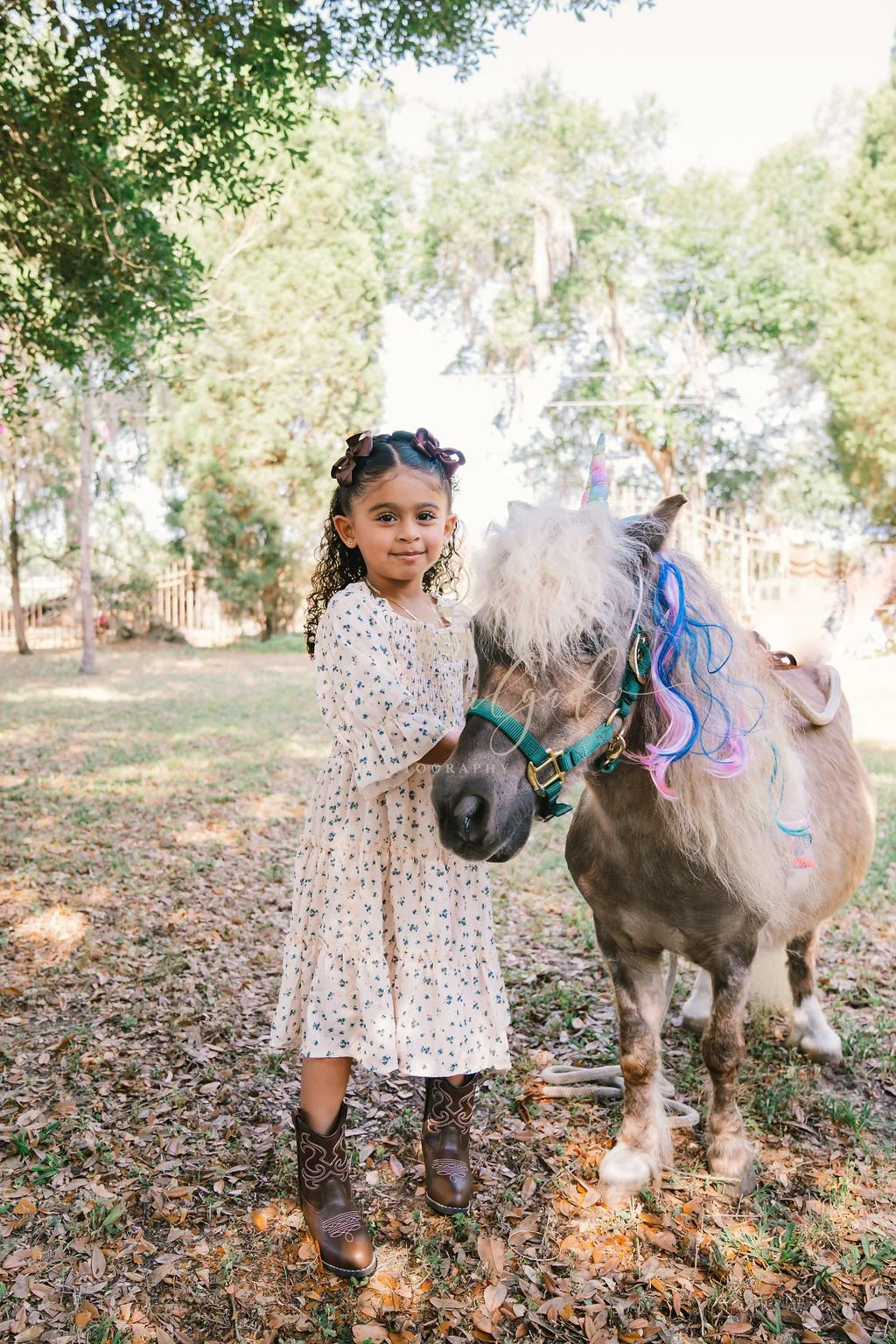


Understanding Animal Behavior
Understanding the behavior of the animal you will be photographing is crucial for a successful session. Animals act based on instinct and mood. Here are some aspects to consider:
1. Research the Species
Learn About Their Behavior: Every animal has a unique way of interacting with its environment. Research the specific species you’ll be working with to understand their habits, feeding times, and active hours.
Know Their Body Language: Recognizing signs of stress or comfort in animals can help predict their behavior and interactions during the shoot.
2. Personality and Comfort
Meet Before the Session: If possible, spend time with the animal before the session. This will help create a bond and ease any tension for both you and the animal.
Identify Triggers: Different animals may react differently to various stimuli. Be aware of potential triggers that could startle or calm them.
Planning the Session
Proper planning is key to a smooth photography day. Here are the essential steps to ensure everything runs smoothly.
1. Choose the Right Location
Environment Matters: Select a location that aligns with the animal’s natural habitat or one that provides a safe and comfortable environment.
Lighting Considerations: Natural lighting is often best for animal photography. Plan your session during the golden hours (early morning or late afternoon) for optimal light.
2. Time the Shoot
Best Time for Animals: Animals are often more active during specific times of the day. Scheduling your shoot during these periods can lead to more dynamic shots.
Factor in Weather Conditions: Weather can greatly impact animal behavior. Check forecasts ahead of time and be prepared to reschedule if necessary.
3. Equipment Preparation
Select the Right Gear: For animal photography, a telephoto lens can help you capture animals without disturbing them. Ensure you have a camera that performs well in low light conditions.
Bring Spare Equipment: Always have extra batteries, memory cards, and lenses ready. Animals are unpredictable, and you don’t want to miss a moment due to technical issues.


Preparing Yourself and Your Team
1. Experience and Skills
Gain Skills in Animal Photography: Understanding composition and camera settings specifically for wildlife or domestic animals will enhance your ability to capture beautiful images.
Safety Training: If you're working with potentially dangerous animals, ensure you are trained in safety protocols.
2. Team Coordination
Collaborate with Animal Handlers: If you’re working with zoo animals or pets, connect with their handlers. They can provide valuable insights into the animal’s behavior and help you facilitate a successful shoot.
Communicate Clearly: Having clear communication with your team will ensure a streamlined photography session. Everyone should know their roles and responsibilities.

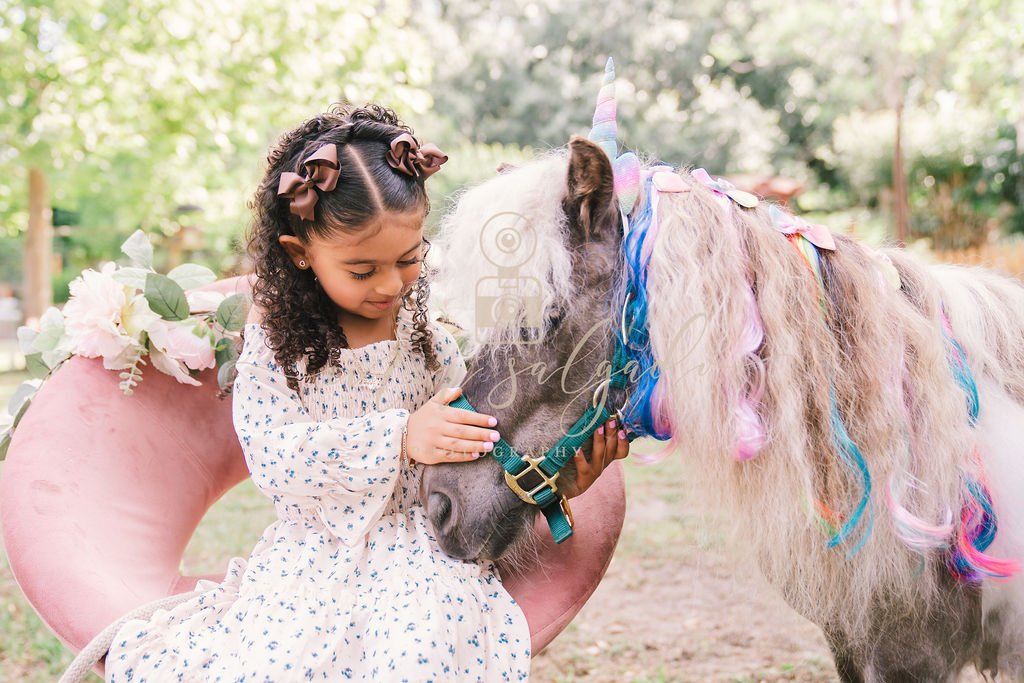

Right Gear and Accessories
The right gear can make or break your animal photography experience. Here’s what you should consider:
1. Camera Equipment
Camera Body: A camera with a fast shutter speed will help you capture quick movements and prevent blur.
Lenses: Telephoto lenses allow you to photograph animals from a distance; prime lenses can provide excellent depth of field, making the animal stand out against a blurred background.
2. Accessories
Tripods or Monopods: These can stabilize your camera, especially in low-light situations or when using a long lens.
Reflectors and Diffusers: These can help manage light, particularly if you’re shooting in harsh conditions.


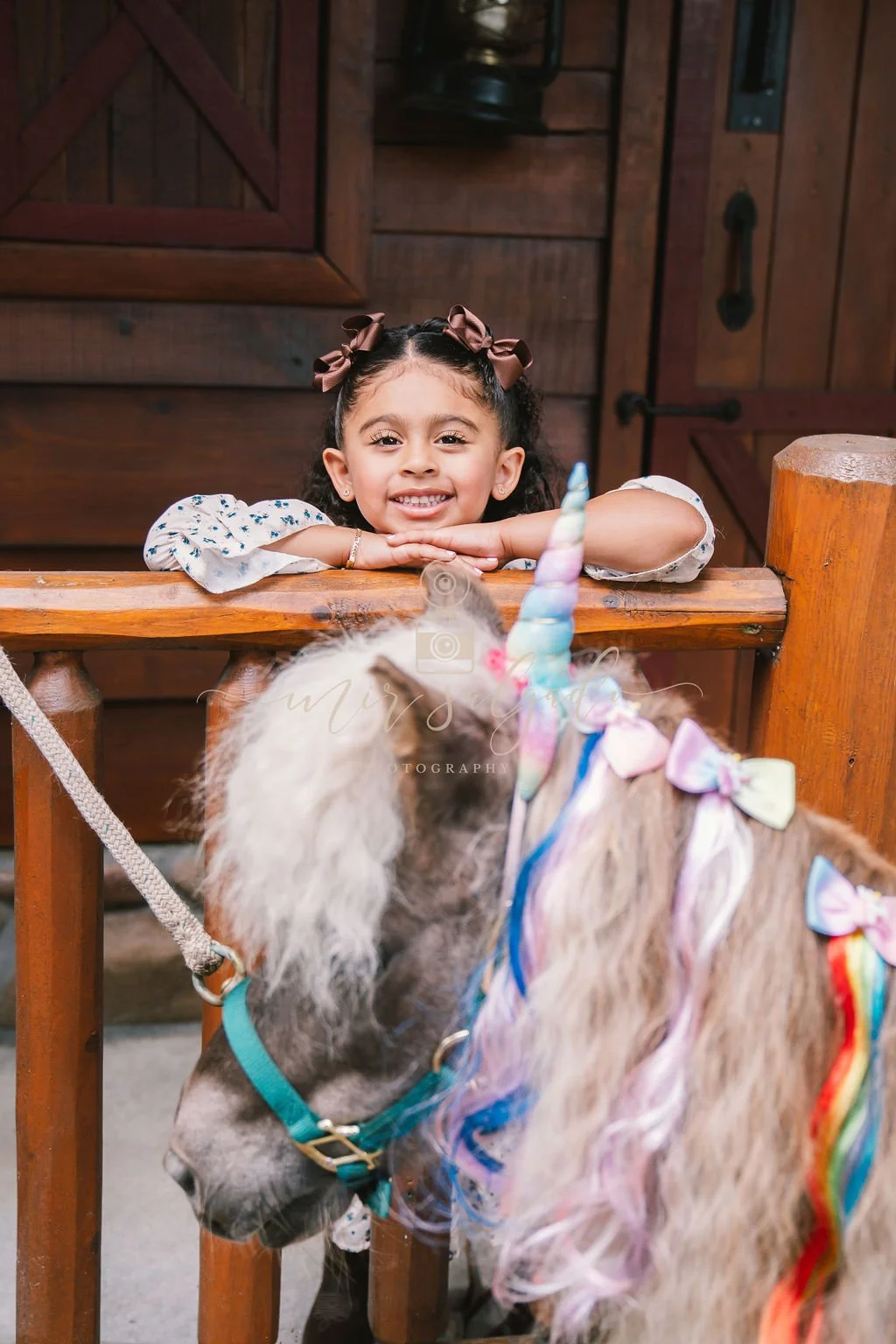


3. Practical Items
Comfortable Clothing: Dress appropriately for the environment. Comfortable, weather-appropriate attire will keep you focused on the shoot.
Water and Snacks: Staying hydrated and nourished will keep your energy levels up, which is important for a long session.

Engaging the Animal
During the session, creating a comfortable atmosphere is essential for those genuine moments. Here are strategies to engage with the animal effectively.
1. Patience is Key
Allow Time to Adjust: Give the animal time to become accustomed to your presence and the gear. Rushing can lead to stress and unflattering pictures.
Observe Before Shooting: Take a moment to observe the animal’s behavior before jumping in to shoot.
2. Use Treats and Toys
Positive Reinforcement: If you are working with pets or familiar animals, using treats or toys can help engage them and elicit natural behavior.
Capture Playful Moments: Playfulness often leads to joyful and dynamic images,


Anna Maria Island beach family session | Tampa family photographer
Family beach sessions.
Review Portfolios: Ensure their style matches your vision.
Schedule a Consultation: Discuss ideas, locations, and specific requests. Inquire about their beach photography experience.
Confirm Details: Set date, time, pricing, and deliverables (images or prints).
Prepare for the Unexpected:
Check the Forecast: Monitor weather and have a backup plan.
Be Flexible: Encourage a positive attitude; great moments may be unplanned.
Enjoy the Experience:
Relax and Have Fun: Encourage authenticity for candid moments.
Stay Engaged: Participate in activities for genuine interactions.
By following these steps, you’ll ensure a successful beach session with beautiful photos showcasing your family’s bond.

Family gatherings play a vital role in maintaining strong connections among loved ones. Setting aside time each year to come together allows families to create cherished memories, celebrate milestones, and reinforce bonds. These moments, whether they involve reunions, holidays, or family vacations, become treasures that can be revisited and remembered for years to come.
Hiring a photographer to document these special occasions ensures that these memories are preserved in a tangible way. Professional photographs capture the emotions and interactions that families share, allowing future generations to relive those experiences. A well-timed snapshot can convey the joy of laughter, the warmth of hugs, and the unity of family.
Investing in photography during family gatherings not only captures the essence of the moment but also provides an opportunity to create a family legacy. Over time, these photographs tell the story of growth, love, and togetherness. They serve as a reminder of the importance of family and the value of coming together, year after year. In a fast-paced world, taking the time to celebrate and document family moments is an invaluable gift that lasts a lifetime.


How to Plan a Beach Getaway with Family Living in Different States
1. Determine the Location
Choose a central beach location that is convenient for most family members. Consider factors such as travel distance, accessibility, and available accommodations. Popular coastal destinations like Florida, California, or the Carolinas may offer a variety of options depending on your family's preferences.
2. Set the Dates
Coordinate schedules to find a suitable time when everyone can participate. Use a shared calendar or group chat to propose dates, and consider school vacations, holidays, or long weekends to maximize attendance.
3. Create a Budget
Discuss the budget with all family members. Factor in travel expenses, lodging, food, and activities. Agree on how costs will be shared, whether through a group fund or direct payments. Setting a clear budget will help manage expectations and prevent misunderstandings.
4. Book Accommodations
Decide on the type of lodging that suits your family—options include vacation rentals, hotels, or family-friendly resorts. Websites that allow you to filter accommodations by size, amenities, and price can help ensure everyone finds something suitable.
5. Plan Activities
Make a list of activities that cater to different interests and age groups. Consider beach days, water sports, sightseeing, and family games. It may also be helpful to leave room for spontaneous exploration and relaxation.
6. Coordinate Transportation
Discuss how each family member will travel to the destination. For those flying, coordinate airport arrivals to simplify transportation. Whether renting a car or using rideshare services, ensure everyone has a plan for getting to the accommodation.
7. Prepare Meals
Decide if you'll dine out or cook meals together. If cooking, assign meal prep duties to different family members or plan meals that everyone can easily contribute to. This both saves money and fosters family bonding.
8. Stay Connected
Use group messaging apps or social media to maintain communication leading up to the getaway. Share ideas, finalize plans, and keep everyone updated on arrangements. This will help everyone feel included and engaged in the planning process.
9. Pack Smart
Create a packing list that includes essentials for the beach as well as any specific items unique to your family's needs, such as beach games, snorkeling gear, or dietary necessities. Share the list with family members to ensure nothing is forgotten.
10. Enjoy Flexibility
While planning is crucial, flexibility can make the trip more enjoyable. Be open to adjusting plans based on the weather, interests, or individual needs that arise during the trip.
By following these steps, you can create a memorable beach getaway that strengthens family ties and creates cherished memories despite the distance between you.




How to Plan a Beach Getaway with Family Living in Different States
Read more here


Cypress Point Park family session | Tampa family photographer
Cypress point park is an amazing place in Tampa area, it has EVERYTHING and its beautiful for family sessions with a natural and beachy vibe.
Cypress point park Oceanfront park with a boardwalk, hiking trails, dunes, picnic shelters & a canoe dock. The exact location is: 5620 W Cypress St, Tampa, FL 33607
With restrooms and FREE parking , you have to visit it one day!

This family has a special place in my heart. I have been shooting this family for almos seven years now!! I met these two girls as babies! I love how this time their family pictures turned out!
Cypress point park is an amazing place in Tampa area, it has EVERYTHING and its beautiful for family sessions with a natural and beachy vibe.
Cypress point park Oceanfront park with a boardwalk, hiking trails, dunes, picnic shelters & a canoe dock. The exact location is: 5620 W Cypress St, Tampa, FL 33607
With restrooms and FREE parking , you have to visit it one day!